
Traveling alone is one of the most empowering experiences you can have. It teaches confidence, independence, decision-making, and self-reliance in ways group trips never could. But with freedom comes responsibility — especially when it comes to safety. Whether you’re backpacking through Southeast Asia, road-tripping in Europe, or flying to South America for the first time, knowing how to stay safe is essential.
This complete solo travel safety guide breaks down practical, real-world strategies to help you travel confidently and securely, without killing the adventure.
Why Solo Travel Is Growing & The Importance of Safety
More people than ever are choosing to travel solo due to:
- Flexible work lifestyles
- Digital nomad culture
- Budget travel opportunities
- Desire for personal growth
- Easier global connectivity
But unlike group travel, solo travelers don’t have someone watching their bag, navigating streets with them, or alerting authorities if something goes wrong. That’s why preparation matters.
Planning & Research Before the Trip
Preparation reduces risk before you even arrive.
Understanding Local Laws & Culture
Every country has cultural expectations and laws that affect:
- Dress codes
- Alcohol consumption
- Public behavior
- Photography rules
- Religion & customs
- LGBTQ+ safety conditions
Researching these topics prevents misunderstandings and dangerous situations.
Choosing Safe Neighborhoods
Hotels may be cheap for a reason — often because they’re located in unsafe districts. Before booking, research:
- Neighborhood safety score
- Accessibility to public transport
- Night-time lighting and foot traffic
- Proximity to police or hospitals
Tools like Google Maps, local blogs, Reddit, and Facebook travel groups are useful for current info.
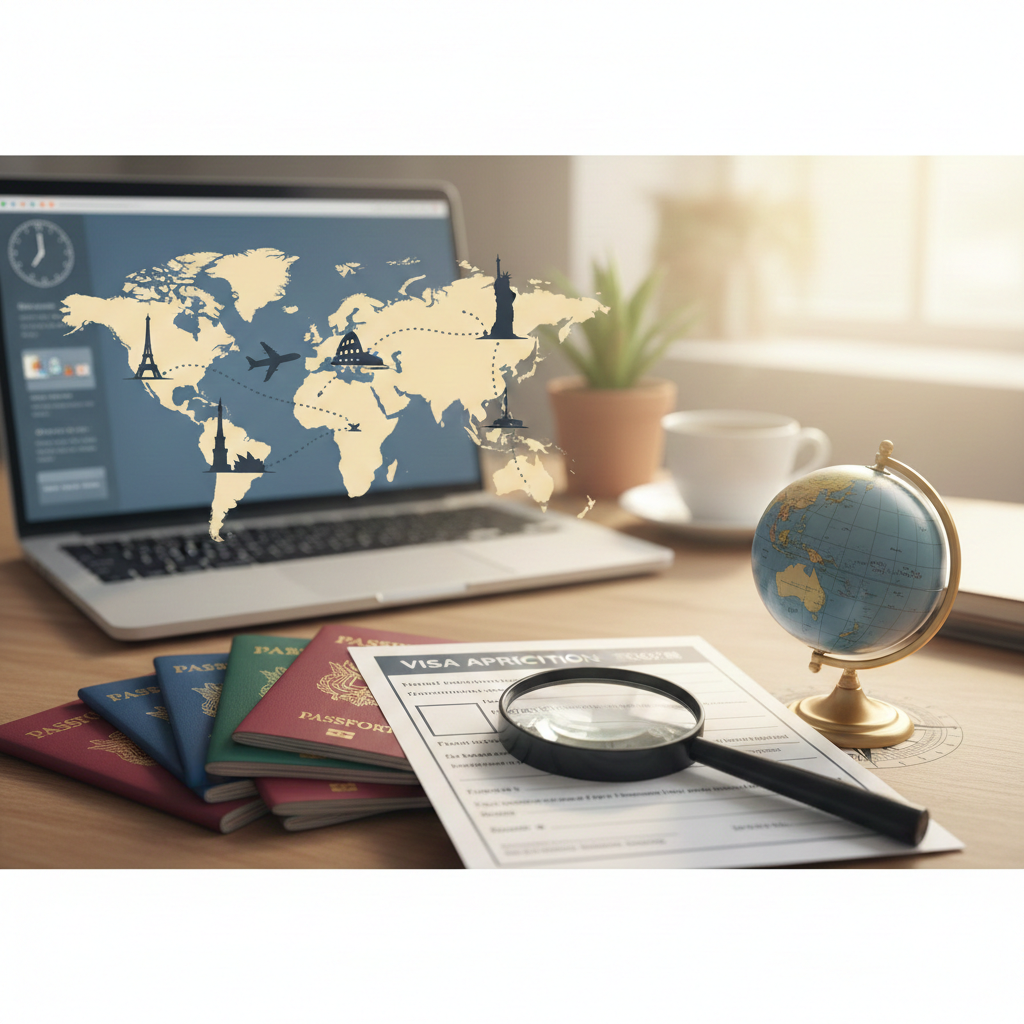
How to Check Travel Advisories
Before traveling internationally, check official advisories:
- Government travel warnings
- Weather alerts
- Health and disease outbreaks
- Political unrest
- Natural disasters
Examples:
- U.S. State Department advisories
- U.K. Foreign Travel Advice
- Australian Smartraveller
- Canada Travel Advice
These alerts help you avoid high-risk areas.
Booking Accommodation Wisely
When booking:
- Check recent reviews (last 3–6 months)
- Look for comments about safety, cleanliness, and location
- Avoid places with poor lighting, no front desk, or lack of cameras
Always prioritize safety over saving a few dollars.
Safety on the Move
Transport is where many beginners experience scams, theft, or confusion.
Airport & Transport Safety
At airports and bus stations:
✔ Keep documents in a zippered pouch
✔ Watch your luggage at all times
✔ Use official taxis or rideshare apps
✔ Avoid anyone offering unsolicited help
Scammers often target confused or tired tourists.
Avoiding Scams & Overcharging
Common scams include:
- Overpriced taxi rides
- Fake tour guides
- “Closed attraction” scam
- Currency exchange scams
- Fake petitions
- Over-friendly strangers asking for money
To avoid these:
✔ Use taxi apps with fare protection
✔ Agree on price before boarding tuk-tuks or rickshaws
✔ Ignore street money requests
✔ Research common scams for the destination
Every country has known scams posted in travel forums — reading them takes 10 minutes and saves potential loss.
Using Public Transport Safely
Public transport is cost-effective but requires caution.
Tips:
✔ Keep your backpack in front
✔ Avoid empty train/bus cars late at night
✔ Stay aware of sudden stops (pickpockets act then)
✔ Keep valuables in zipped pockets
If you feel uncomfortable, change carriages or seats immediately.
Digital Safety & Communication
Solo travel safety isn’t just physical — it’s digital too.
Protecting Devices & Data
Your phone may be your:
- Map
- Translator
- Wallet
- Emergency contact device
Losing it can create serious problems.
Protect it by:
✔ Using strong passwords and biometrics
✔ Avoiding public USB charging ports
✔ Enabling device tracking (Find My iPhone / Find My Device)
Using VPN & Secure Wi-Fi
Public Wi-Fi can expose you to hacking. A VPN protects:
- Credit card transactions
- Online banking
- Personal logins
Avoid accessing financial accounts on open Wi-Fi networks.
Staying Connected with Friends & Family
Share details such as:
- Hotel address
- Flight info
- Daily plans
Apps like WhatsApp, iMessage, Google Maps location sharing help family know you’re safe.
If you go off-grid (mountains, rural areas), communicate before disconnecting.
Street Smart Safety While Traveling Alone
Solo travel safety is often about being aware and trusting your instincts.
Dress & Behavior Awareness
Blending in reduces attention from scammers or thieves. Tips:
✔ Avoid flashy jewelry
✔ Don’t carry expensive bags
✔ Dress according to local norms
✔ Don’t flaunt wealth on social media during the trip
Navigating Nightlife Safely
Nightlife is fun but risky for solo travelers.
Rules:
✔ Never leave drinks unattended
✔ Avoid getting drunk alone
✔ Stick to well-lit streets and busy areas
✔ Use official transport, not random drivers
If you meet new friends, trust slowly — not blindly.
Avoiding Dangerous Areas
Every city has no-go zones. Learn them by:
- Asking hotel staff
- Reading travel blogs
- Checking Google Maps reviews
- Asking locals
If a street feels wrong, turn back. Your instincts are valid.
Reading Body Language & Red Flags
If someone:
- Stands too close for no reason
- Follows you for multiple blocks
- Asks intrusive personal questions
- Offers unwanted “help”
Distance yourself, enter a shop, or ask authorities for assistance.
Accommodation Safety Tips
Hotels, hostels, and guesthouses all require different strategies.
Hostels vs Hotels
Hostels are social but require locker awareness. Always:
✔ Bring a padlock
✔ Keep valuables in lockers
✔ Avoid leaving electronics charging unattended
Hotels offer more privacy but vary in safety levels.
Lockers, Safes & Valuables
Keep valuables:
- In lockers
- In room safes
- In a money belt under clothes
Never leave your passport in your back pocket or open bag.
Checking Security & Reviews
Look for:
✔ 24/7 reception
✔ Security cameras
✔ Secure entrances
✔ Female-only dorms (if preferred)
✔ Good nighttime neighborhood reviews
Bad reviews often mention theft, harassment, or unsafe locations — pay attention.
Health & Emergency Safety
Medical Preparation
Carry:
- Basic first-aid kit
- Personal medications
- ORS packets
- Antibacterial wipes
In remote places, hospitals may be far away — being prepared is helpful.
Travel Insurance
Insurance covers:
✔ Emergency medical expenses
✔ Evacuation
✔ Lost baggage
✔ Trip delays
Solo travelers should NEVER skip travel insurance.
Emergency Numbers & Embassy Info
Before arrival, save:
- Local emergency numbers (not always 911)
- Embassy or consulate contact
- Hotel address in local language
- Local taxi/ride app numbers
This is especially useful during:
- Natural disasters
- Political unrest
- Medical emergencies
Final Solo Travel Safety Checklist
Before leaving:
✔ Research destination safety
✔ Buy travel insurance
✔ Share itinerary with family
✔ Book accommodation in safe areas
✔ Learn basic local phrases
✔ Use VPN for online safety
✔ Carry backup money & cards
✔ Keep emergency contacts saved
✔ Pack a lock for hostels
✔ Trust your instincts
If something feels off, it probably is.
Conclusion
Solo travel is not about being fearless — it’s about being prepared. With the right mindset, information, and precautions, traveling alone can be safe, enriching, and life-changing. You’ll return stronger, more confident, and full of unforgettable memories. The world isn’t as dangerous as headlines suggest, and most people are kind — but preparation ensures you enjoy the beauty of solo travel without unnecessary risks.