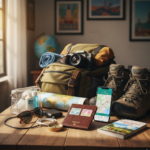


Traveling the world doesn’t have to be expensive. Whether you’re a student, a solo traveler, or just someone who doesn’t want to spend thousands on trips, budget travel is absolutely possible. With the right planning, creativity, and a few insider tricks, you can explore countries, cultures, and cuisines without draining your bank account. This complete guide will show you exactly how to travel on a budget without sacrificing comfort, safety, or fun.
- Plan Smart: Budget Trip Preparation
- Cheap Transportation & Flight Strategies
- Save on Accommodation Costs
- Eat Smart: Saving Money on Food While Traveling
- Budget-Friendly Sightseeing & Activities
- Essential Apps & Tools for Budget Travelers
- Realistic Budget Breakdown (Example)
- Final Tips to Travel on a Budget
- Conclusion
Plan Smart: Budget Trip Preparation
Budget travel starts before you even leave your home. Research and planning can save you hundreds of dollars.
Researching Affordable Destinations
Some destinations are naturally cheaper than others. For example, Southeast Asia, parts of Eastern Europe, and Latin America are known for budget-friendly travel. On the other hand, places like Switzerland, Norway, or Singapore are more expensive.
Instead of forcing a destination, explore options based on budget. Search for:
- Countries with cheaper local transportation
- Lower cost of living
- Budget accommodations
- Cheap food options
Tools like destination cost calculators and travel forums can help compare expenses realistically.
Best Time to Travel for Cheaper Prices
Timing affects travel costs more than anything else. To save money:
- Travel during shoulder seasons (just before or after peak season)
- Avoid public holidays and school vacations
- Choose weekdays instead of weekends
Flights, accommodations, and even tours can be 20–50% cheaper during low-demand periods.
How to Set a Practical Travel Budget
A smart budget includes:
- Flights
- Accommodation
- Transport
- Food
- Activities
- Emergency costs
Research daily average costs per country and adjust based on your style (budget, mid-range, luxury). Many travelers also add an emergency buffer of 10–15%.
Cheap Transportation & Flight Strategies
Transportation takes a big share of travel expenses, but with strategy, you can significantly cut costs.
How to Find Cheap Flights
Finding cheap flights is an art. Use these strategies:
- Search using incognito mode
- Compare prices across platforms such as Skyscanner, Kayak, and Google Flights
- Set price alerts for fare drops
- Be flexible with dates and airports
- Book 30–60 days in advance for international flights
Avoid last-minute bookings unless you find sudden deals.
Budget Airlines vs Full-Service Airlines
Budget airlines offer cheaper fares because they charge extra for baggage, meals, seat selection, etc. If you pack light and bring your own snacks, you can save a lot.
Some of the best-known budget airlines include:
- AirAsia (Asia)
- Ryanair (Europe)
- EasyJet (Europe)
- Spirit Airlines (US)
- Scoot (Asia-Pacific)
Always check baggage rules to avoid hidden fees.
Using Public Transport Instead of Taxis
Transportation at your destination matters too. Airport taxis are almost always the most expensive option.
To save money:
- Use buses and trains
- Download local transit apps
- Rent bicycles or scooters for cheap daily rates
- Walk whenever possible — it’s free and great for sightseeing
Save on Accommodation Costs
After flights, accommodation is usually the biggest expense. Luckily, there are multiple budget-friendly options.
Hostels, Guesthouses & Homestays
Hostels are the backbone of budget travel. With shared dorms or private rooms, they are cheaper than hotels and great for meeting travelers.
Guesthouses and homestays offer cultural experiences and cost less than hotels, especially in Asia and Europe.
Hotel Comparison Websites & Booking Tips
Use comparison websites like Booking.com, Agoda, Trivago, or Hostelworld for deals. To save even more:
- Book non-refundable rooms (only if plans are fixed)
- Check for coupon codes
- Join loyalty programs
- Contact the property directly—sometimes they give discounted rates
Alternative Stays
Not all budget accommodations come from traditional booking.
Cheap or free options include:
- Couchsurfing (stay with locals for free)
- House sitting (free stay in exchange for taking care of homes/pets)
- Work exchange (work a few hours/day for free room & board)
These experiences reduce costs and create unforgettable travel memories.
Eat Smart: Saving Money on Food While Traveling
Food can quickly eat up a travel budget if you’re not careful. The goal is not to starve but to spend wisely.
Street Food & Local Markets
Street food is often the cheapest and most authentic. Countries like Thailand, Mexico, India, and Vietnam are famous for safe, delicious street meals at a fraction of restaurant costs.
Local markets also offer fresh fruits, snacks, and meals for far less than dining in tourist-heavy areas.
Cooking While Traveling
If your hostel or Airbnb has a kitchen, buy groceries and cook simple meals. Even replacing just one meal a day with home-cooked food saves a lot over weeks.
Avoiding Tourist Restaurants
Restaurants close to major attractions and hotels usually mark up prices heavily.
Go where locals eat:
- Check side streets
- Use Google Maps reviews
- Ask hostel staff for recommendations
These simple tricks save money and improve your culinary experience.
Budget-Friendly Sightseeing & Activities
Travel doesn’t have to be expensive to be meaningful. Some of the best experiences are free.
Free Attractions & Walking Tours
Most major cities have:
- Free museums
- Public parks
- Beaches
- Temples
- Hiking trails
- Free walking tours (tip-based)
Walking tours are excellent for learning local history while spending almost nothing.
Museum Discounts & City Passes
City passes can offer massive savings if you plan to visit popular attractions. Many museums offer:
- Student discounts
- Youth discounts
- Free days (once a week/month)
- Seasonal offers
Check tourism websites before arriving.
Offbeat Destinations That Cost Less
Avoiding famous tourist hotspots can reduce costs drastically. For example:
- Albania instead of Greece
- Colombia instead of Costa Rica
- Slovakia instead of Austria
These places offer beautiful scenery with fewer crowds and lower prices.
Essential Apps & Tools for Budget Travelers
Some useful apps include:
- Skyscanner (flights)
- Booking.com (accommodation)
- Hostelworld (hostels)
- Rome2Rio (transport routes)
- Couchsurfing (free stays)
- Google Maps (navigation)
- XE Currency (exchange rates)
- Trail Wallet (budget tracking)
Technology makes budget travel easier than ever.
Realistic Budget Breakdown (Example)
Here’s a simple daily budget for Southeast Asia:
| Category | Cost (Approx.) |
|---|---|
| Accommodation | $8–$12 |
| Food | $6–$10 |
| Transport | $2–$6 |
| Activities | $4–$10 |
| Misc/Extras | $2–$4 |
| Total Per Day | $22–$42 |
Of course, costs vary by country and personal style.
Final Tips to Travel on a Budget
To summarize:
- Be flexible with dates and destinations
- Travel slow (less transport = more savings)
- Use public transportation
- Eat local food and street food
- Book flights & hotels in advance
- Use travel apps & loyalty programs
- Avoid peak season
- Try work exchange or house sitting
- Track expenses daily
Conclusion
Budget travel isn’t about skipping experiences — it’s about spending smart. With the right planning and mindset, you can explore the world affordably, meet people from different cultures, and create life-changing memories without going broke. Whether you’re backpacking Southeast Asia or discovering Europe on a budget, the world is more accessible than you think.