
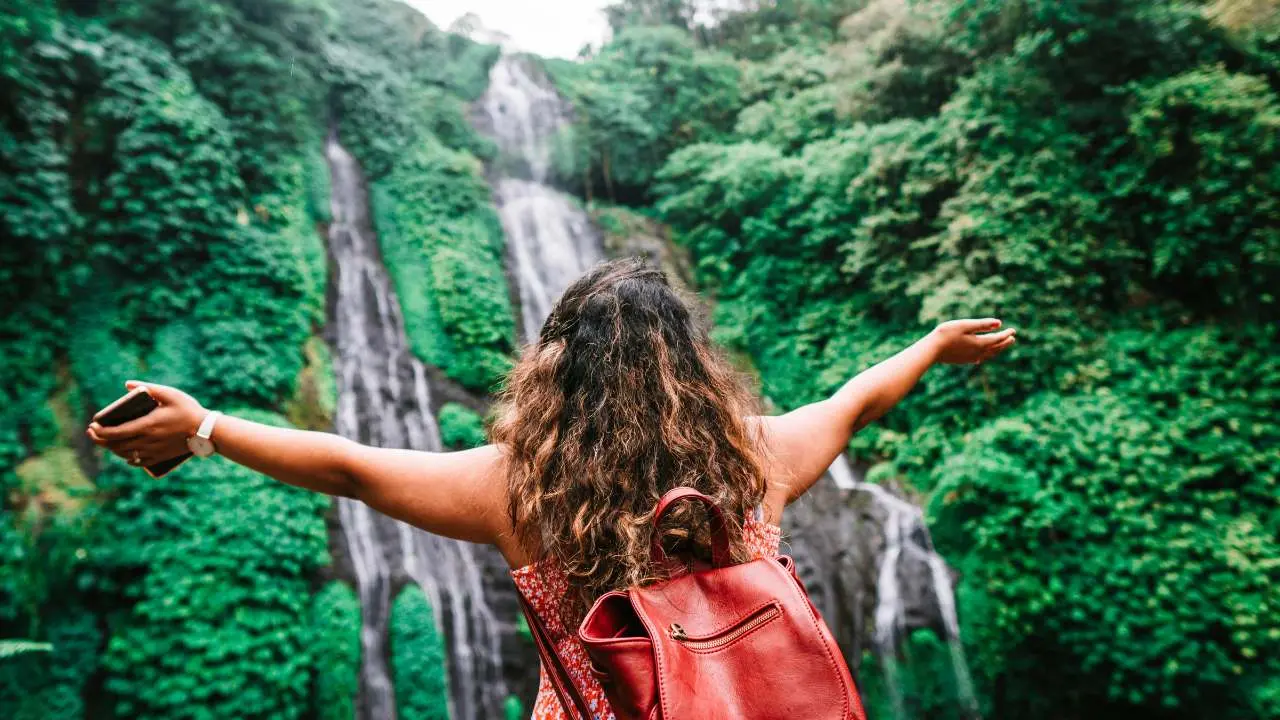
Solo female travel is no longer a rare concept — millions of women are exploring the world independently for adventure, education, personal growth, and cultural experiences. But while traveling alone as a woman is incredibly empowering, it comes with unique safety concerns that aren’t always the same for male travelers.
This comprehensive guide focuses on realistic, field-tested female travel safety strategies that help women explore the world with confidence, awareness, and independence.
Why Female Travel Safety Matters
Women often face challenges related to:
- Harassment or unwanted attention
- Cultural restrictions
- Dress code expectations
- Safety at night
- Transportation issues
- Medical needs
Understanding and preparing for these situations helps prevent risks and reduces anxiety when traveling.
Importantly, “safety” doesn’t mean “fear” — it means being prepared, informed, and in control.
Pre-Trip Planning & Research
Preparation plays a huge role in female travel safety.
Researching Culture, Dress Codes & Gender Norms
Some countries are more conservative or have cultural expectations around:
- Clothing
- Public behavior
- Interaction with men
- Photography rules
- Religious sites
Before visiting, research:
✔ Local customs
✔ Acceptable clothing (especially in temples, mosques)
✔ LGBTQ+ safety laws (if relevant)
Dressing appropriately isn’t about giving up autonomy — it’s about blending in and avoiding unnecessary attention.
Checking Safe Neighborhoods & Accommodation
Where you stay matters more than anything else.
Look for:
- Well-lit areas
- Central neighborhoods
- 24/7 reception hotels
- Hostels with strong safety reviews
- Female-only dorm options (if preferred)
Use Google Maps street view to check surroundings before booking.
Understanding Local Laws & Women’s Rights
Some countries have:
- Restrictions on women drinking alcohol
- Curfews in certain towns
- Limitations on physical contact in public
- Rules about covering hair or shoulders
Researching these rules avoids cultural friction and legal issues.
Important Travel Advisories for Women
Government advisories sometimes include women-specific safety notes. Check travel advisories from:
- US
- Canada
- UK
- Australia
Not to scare you — but to understand realities.
Packing Safety Essentials
Packing smart provides convenience, comfort, and protection.
Clothing & Cultural Respect
Clothes should match climate + culture. Essentials include:
✔ Lightweight long sleeves (for temples + sun protection)
✔ Scarf or shawl (multi-use)
✔ Comfortable shoes
✔ Quick-dry travel pants
✔ Swimwear + cover-ups
A scarf alone solves many dress code challenges.
Safety Gadgets & Tools
Helpful items include:
✔ Doorstop alarm (for hotel rooms)
✔ Portable lock or padlock
✔ Anti-theft backpack
✔ Crossbody bags with zippers
✔ Pepper spray (if legal)
✔ Personal safety alarm
These tools don’t make you paranoid — they reduce vulnerability.
Medication & Hygiene Essentials
Carry:
✔ Personal medications
✔ Pain relievers
✔ Menstrual products (tampons may not be available everywhere)
✔ Birth control (if required)
✔ Basic first-aid kit
✔ Hand sanitizer & wipes
Pharmacies vary widely between countries.
Accommodation & Transportation Safety
Choosing Safe Hotels/Hostels
Accommodation safety checklist:
✔ High review scores (especially from female travelers)
✔ Secure lobby or gated property
✔ 24/7 front desk
✔ Lockers in dorm rooms
✔ Cameras in public areas
✔ Close to public transport
Avoid properties with reviews like:
- “Dark street”
- “No locks”
- “Men hanging around”
- “Unsafe neighborhood”
- “No women staying here”
Safety in Shared Dorms
Hostels are great for social travel, but awareness helps:
✔ Choose female-only dorms if preferred
✔ Use lockers for valuables
✔ Don’t leave laptops/phones charging openly
✔ Dress in private bathrooms, not open dorm areas
Using Public Transport Safely
Rules for buses/trains:
✔ Sit near women or families
✔ Keep bags on your lap
✔ Avoid empty carriages late at night
✔ Watch for deliberate distractions (pickpocket tactic)
Night buses are common in Southeast Asia and South America — choose reputable companies.
Taxi & Ride-Share Safety
For ride apps:
✔ Confirm license plate before entering
✔ Sit in the back seat
✔ Share trip details with a friend
✔ Avoid “unofficial taxis” at airports
If uncomfortable at any moment, ask driver to stop in a public location.
On-Ground Safety & Situational Awareness
Avoiding Unwanted Attention
Tips:
✔ Don’t reveal hotel name to strangers
✔ Avoid sharing exact plans publicly
✔ Wear headphones if you want to avoid conversations
✔ If someone makes you uncomfortable, walk away firmly
Confidence often reduces harassment opportunities.
Navigating Nightlife
Nightlife is fun, but there are rules:
✔ Never leave your drink unattended
✔ Don’t accept drinks from strangers
✔ Stay aware of exits
✔ Use trusted transport to return
✔ Avoid getting excessively intoxicated alone
Most danger happens when awareness drops — not because cities are “bad.”
Protecting Valuables
Smart strategies:
✔ Anti-theft bags
✔ Money belts under clothes
✔ Minimal jewelry
✔ Backup cards hidden separately
✔ Copies of passport in email/cloud
Don’t flash expensive cameras/phones unnecessarily.
Cultural Body Language Awareness
In some countries:
- Eye contact is flirtatious
- Smiling may signal interest
- Touching can be inappropriate
Observe before participating.
Digital & Communication Safety
Sharing Itinerary with Someone Trusted
Share:
✔ Hotel name
✔ Flight details
✔ Route plans
✔ Check-in updates
Not because you’re afraid — because it’s smart.
Using VPN & Secure Wi-Fi
Protects:
- Online banking
- Email logins
- Social media accounts
Using Tracking & Emergency Apps
Useful apps include:
✔ Google Maps Live Location sharing
✔ Noonlight
✔ GeoSure (city safety ratings)
✔ Smart Traveler
✔ WhatsApp for check-ins
Phones today act as mini safety devices — use their power.
Handling Harassment, Scams & Emergencies
Verbal Boundaries & Exit Strategies
If someone invades your space:
✔ “No, thank you.” (Firm tone)
✔ “Stop. I’m not interested.”
✔ Walk into a shop, hotel, or group
Confidence discourages most predators.
Common Scams Targeting Women
Examples:
- Fake tour guides
- Taxi overcharging
- Over-friendly “helpers”
- Unwanted escorts in nightlife districts
- Drink spiking
Awareness prevents exploitation.
Emergency Contacts & Embassies
Keep accessible:
✔ Local police number
✔ Embassy address
✔ Hotel address in local language
✔ Trusted transport companies
Emergencies are rare, but preparedness matters.
Final Female Travel Safety Checklist
Before traveling:
✔ Research culture & dress norms
✔ Choose safe accommodation
✔ Share itinerary
✔ Copies of passport & IDs saved digitally
✔ Carry personal safety tools
✔ Use VPN on public Wi-Fi
✔ Know local emergency numbers
✔ Trust your instincts
Conclusion
Female travel safety doesn’t mean avoiding risks — it means managing them wisely. The world is full of beautiful places and good people, and millions of women travel safely every year. With the right awareness, tools, and mindset, female travelers can explore confidently, independently, and fearlessly. Travel is empowering, and the more prepared you are, the more you’ll enjoy every moment of it.