
One of the biggest misconceptions about travel is that eating well means spending a lot. The truth is quite the opposite — some of the world’s best food is found not in expensive restaurants, but in busy markets, street corners, and family-run kitchens. Whether you’re backpacking through Southeast Asia, road-tripping in Europe, or exploring Latin America, there are countless ways to enjoy delicious meals without blowing your travel budget.
This guide covers practical, traveler-tested strategies to help you eat tasty, authentic, and nutritious food while saving money on the road.
Why Food Becomes a Major Travel Expense
Food expenses add up because:
- Travelers shop in tourist zones
- They choose restaurants over local markets
- They buy snacks impulsively
- They pay for bottled drinks and alcohol
- They lack access to kitchens or groceries
Eating three meals a day in restaurants can easily double your daily expenses. But with a strategic approach, you can reduce food spending by 30–60% without compromising taste or health.
Research & Planning Before the Trip
A little preparation can help you avoid overpriced dining traps.
Understanding Local Cuisine Prices
Before arriving, research:
- Average food prices
- Common cheap meals
- Where locals buy groceries
- Vegetarian or allergy-friendly options if needed
For example:
- Thailand street meals cost $1–$3
- Mexico tacos cost $0.30–$2 each
- Italy bakery lunches cost $3–$8
- Japan convenience store meals cost $3–$6
Knowing reasonable prices prevents overpaying.
How to Identify Cheap Food Zones
Avoid areas directly around:
- Airports
- Landmarks
- Luxury hotels
- Major plazas
Instead, look for:
✔ Back streets
✔ University areas
✔ Markets
✔ Bus stations
✔ Suburban neighborhoods
These places cater to locals, not tourists.
Apps & Tools for Budget Food Discovery
Useful apps include:
- Google Maps / Restaurant Ratings
- HappyCow (vegetarian/vegan)
- Yelp (US)
- Zomato (India, UAE)
- GrabFood / Gojek (Southeast Asia)
- Too Good To Go (discount leftover meals in Europe)
- Local Facebook Groups
Search keywords like:
- “Street food”
- “Local market”
- “Cheap eats”
This helps shortcut your research.
Eating Smart on the Road
These are the strongest tactics for daily food savings.
Street Food & Local Markets
Street food is often:
- Cheap
- Authentic
- Fresh
- Fast
- Cultural
In countries like Vietnam, Mexico, Turkey, and India, street food is legendary. Busy stalls with locals indicate safety and quality.
Local markets also offer:
- Fruits
- Vegetables
- Bread
- Meats
- Ready-to-eat meals
Markets are ideal for breakfast or lunch.
Grocery Shopping & Cooking
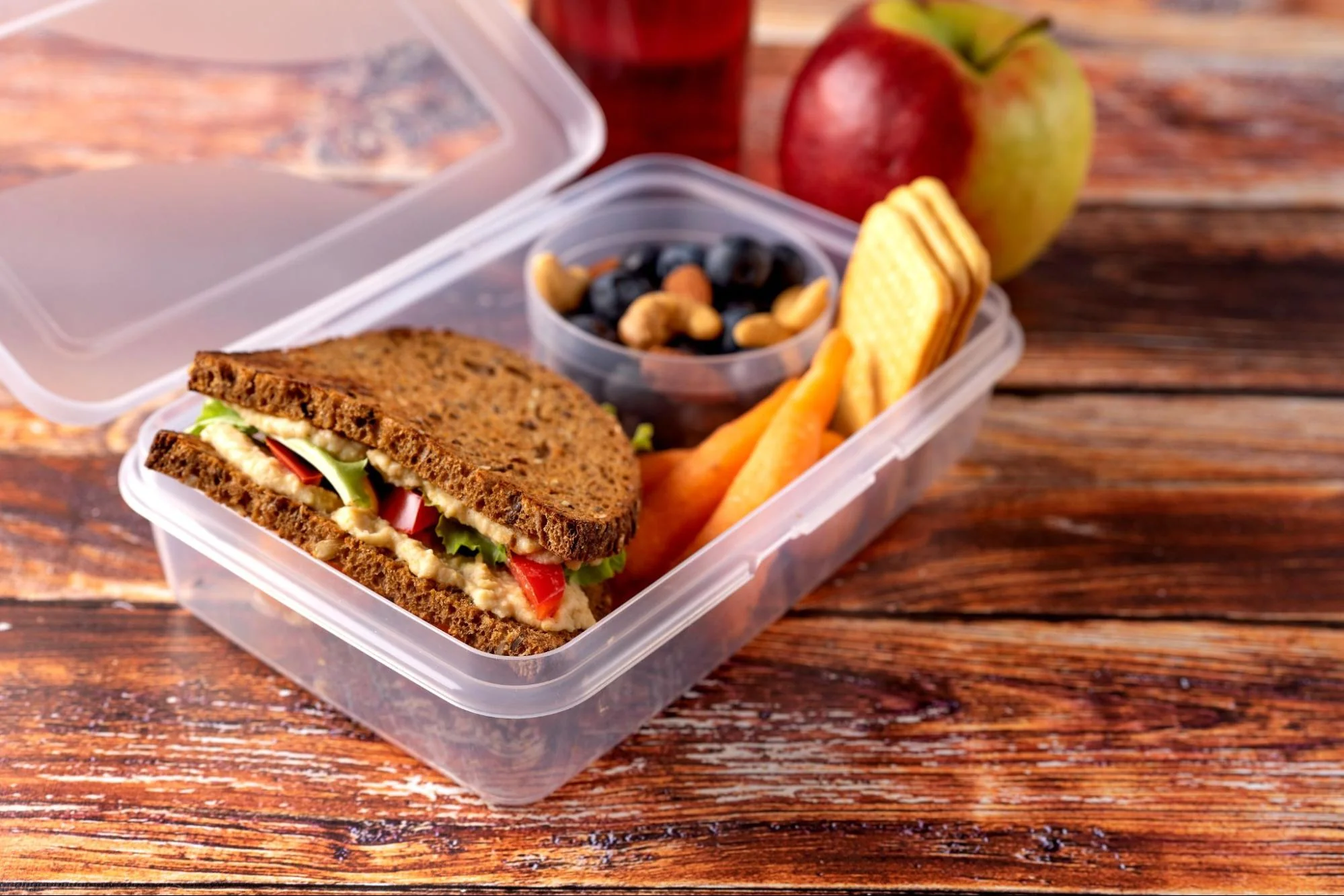
If your accommodation offers a kitchen, buy groceries for:
- Breakfast
- Snacks
- Occasional dinners
Popular cheap self-cook items:
✔ Eggs
✔ Pasta
✔ Rice
✔ Vegetables
✔ Oats
✔ Bread
✔ Bananas
Cooking even once a day reduces food spending drastically, especially in expensive regions like Europe, Japan, or Australia.
Avoiding Tourist Restaurants
Tourist restaurants often charge double or triple the local price. Warning signs include:
- English-only menu
- “We speak English” banners
- Host calling customers inside
- Located directly beside attractions
Instead:
- Walk 5–10 minutes away from landmarks
- Look for handwritten menus in local language
- Observe where locals queue
Using Hostels with Kitchens
Many backpackers choose hostels because of:
- Shared kitchens
- Refrigerators
- Free breakfast
- Tea/coffee stations
A hostel kitchen allows you to cook meals and meet other travelers.
Timing, Portions & Ordering Hacks
Eat Where Locals Eat
If locals ignore a place, you should too.
Tips:
- Peek inside during lunch hours
- Search for cafeteria-style eateries
- Ask locals where they eat, not where tourists eat
Lunch Deals vs Dinner Prices
In many countries, lunch menus are cheap, while dinner is pricey.
Examples:
- Spain “Menu del Dia”
- France “Prix Fixe Lunch”
- Italy “Pranzo/Menu Fisso”
- Japan Lunch Bento Discounts
Always make lunch your main meal of the day.
Shareable Portions
Some cuisines serve huge portions (e.g., US, Canada, Mexico, Middle East). Sharing:
- Reduces cost
- Reduces food waste
- Allows trying more dishes
Drink Water Instead of Soft Drinks
Beverages eat budgets quickly. Instead:
✔ Drink tap water if safe
✔ Use refillable bottles
✔ Avoid alcohol during meals
Water bottles can cost more than meals in airports or busy tourist zones.
Destination-Specific Budget Food Strategies
Different regions require different approaches.
Asia
Asia is a paradise for budget food travelers:
- Street food is everywhere
- Fresh fruit is cheap
- Night markets are affordable
Top strategies:
✔ Eat at night markets in Thailand, Taiwan, Malaysia
✔ Use convenience stores in Japan (Onigiri, Bento, Noodles)
✔ Use Dhabas & Thalis in India
✔ Try Com Binh Dan / Banh Mi in Vietnam
Europe
Europe is trickier but not impossible.
Tips:
✔ Buy breakfast from bakeries
✔ Get lunch deals instead of dinner
✔ Use supermarkets (Lidl, Aldi, Carrefour)
✔ Use hostel kitchens
✔ Use Too Good To Go app for discounted leftovers
Mediterranean countries (Portugal, Greece, Spain) offer cheaper food than northern Europe.
Americas
Latin America has amazing street food and local markets:
✔ Mercados in Mexico & Peru
✔ Arepas in Colombia
✔ Empanadas in Argentina
✔ Tacos & Tamales in Mexico
In the US/Canada:
✔ Use Chinatown & ethnic neighborhoods for cheap eats
✔ Grocery store salads & hot foods
✔ All-you-can-eat buffets sometimes offer value
Middle East & Africa
Middle Eastern food is filling & affordable:
✔ Shawarma
✔ Falafel
✔ Hummus
✔ Koshari
✔ Manakeesh
In Africa:
✔ Choose local joints
✔ Avoid resort restaurants
✔ Markets are your best friend
Dietary Requirements & Staying Healthy
Budget doesn’t mean unhealthy.
Vegetarian/Vegan on a Budget
Use:
- HappyCow app
- Local vegetarian buffet (India, Nepal, Taiwan)
- Middle Eastern mezze (falafel, hummus, salads)
Allergies & Safe Food Practices
If you have allergies:
- Learn allergy phrases in local language
- Avoid street food sauces (may contain nuts/soy)
- Carry translation cards for severe allergies
Avoiding Food Poisoning
Choose places with:
✔ High turnover (fresh food)
✔ Locals eating there
✔ Clean prep areas
Avoid:
✘ Dirty ice
✘ Raw salads in sketchy restaurants
✘ Street seafood in hot climates
Carry:
- ORS (Oral Rehydration Salts)
- Activated charcoal
- Hand sanitizer
Final Checklist: Eat Cheap, Eat Well, Eat Safely
Before ordering or buying food:
✔ Check menu prices first
✔ Compare street food vs restaurant prices
✔ Identify where locals eat
✔ Shop groceries for breakfast/snacks
✔ Drink water instead of sugary drinks
✔ Use markets for fresh produce
✔ Use kitchens for basic cooking
Conclusion
Budget food travel is not about starving or settling for poor quality. It’s about embracing local culture, street flavors, and smart choices. By knowing where to eat, what to order, and how to use groceries and hostels, you can experience amazing cuisines around the world for a fraction of the price. With these strategies, your trip becomes cheaper, healthier, and far more authentic — because real travel happens at street stalls and markets, not just at fancy restaurants.