
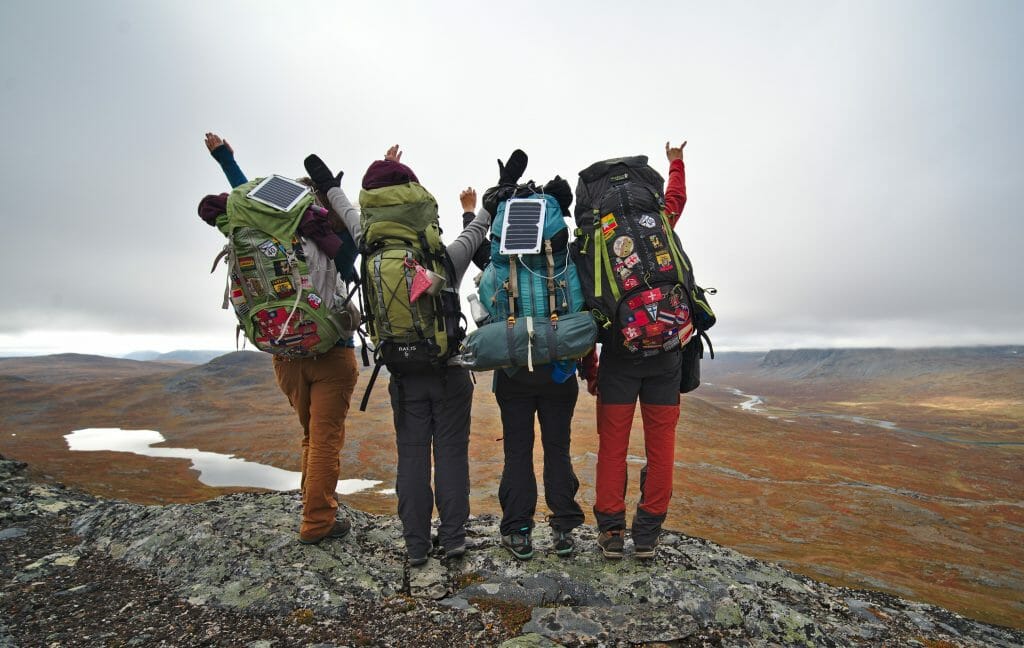
Backpacking is more than just travel — it’s freedom, discovery, and exploration without rules. Instead of fancy resorts and rigid tour packages, backpacking encourages flexibility, affordable adventures, cultural immersion, and personal growth. Whether you’re a student wanting to explore Southeast Asia, a working professional taking a gap year, or simply curious about life on the road, backpacking offers experiences that money alone cannot buy.
- What Makes Backpacking Different?
- How to Choose the Right Backpacking Destination
- Planning & Budgeting for a Backpacking Trip
- Essential Gear & Packing for Backpacking
- Accommodation, Transport & Food Tips
- Staying Safe While Backpacking
- Backpacking Itineraries & Travel Style
- Final Tips for First-Time Backpackers
- Conclusion
This guide covers everything from choosing destinations and budgeting to safety, gear, and food, so you can backpack confidently and affordably in 2026 and beyond.
What Makes Backpacking Different?
Traditional travel focuses on comfort, luxury, and convenience. Backpacking focuses on:
- Traveling light
- Spending less
- Staying longer
- Connecting with locals
- Exploring deeply, not quickly
Backpackers prioritize experiences over comfort. They don’t need 5-star resorts — a hostel bunk, a cheap street meal, and a bus ride through the mountains is enough to create memories for a lifetime.
How to Choose the Right Backpacking Destination
Picking the right destination can make or break your experience.
Budget-Friendly Countries for Beginners
Some countries are naturally backpacker-friendly due to low costs, good infrastructure, and safety.
Popular backpacking regions include:
Southeast Asia
- Thailand
- Vietnam
- Laos
- Cambodia
- Indonesia
- Malaysia
Daily budgets can range from $20–$40.
Europe (Budget Options)
- Portugal
- Poland
- Hungary
- Czech Republic
- Slovakia
- Albania
Daily budgets range from $35–$70 depending on the country.
Latin America
- Mexico
- Guatemala
- Colombia
- Peru
- Bolivia
- Ecuador
Daily budgets range from $25–$50.
If it’s your first trip, Southeast Asia is ideal — cheap hostels, great food, strong backpacking communities, and very safe for solo travelers.
Best Seasons & Weather Considerations
Bad weather can ruin plans, especially during:
- Monsoon season in Asia
- Hurricane season in the Caribbean
- Harsh winters in Europe
Research:
- Peak season
- Shoulder season (cheaper)
- Off-season (rainy/closed roads)
Shoulder season is often best: smaller crowds, lower prices, good weather.
Visas & Entry Rules
Every country has different entry rules. Before traveling, check:
- Visa duration
- Visa on arrival or e-visa availability
- Border crossing rules
- COVID-era restrictions (if any)
- Travel insurance requirements
A quick search on embassy websites prevents surprise expenses or denied entries.
Planning & Budgeting for a Backpacking Trip
Backpacking isn’t about exact schedules — it’s about balancing freedom with smart planning.
How to Plan a Flexible Route
A flexible route might look like:
- 1 month Thailand → 2 weeks Laos → 3 weeks Vietnam
Instead of detailed daily plans, focus on:
- Regions instead of cities
- Major bus, train, and flight connections
- Key activities you don’t want to miss
Flexibility helps you:
- Stay longer in places you love
- Leave places you don’t like
- Join new travel friends spontaneously
Budget Breakdown (Daily & Weekly)
Backpacking budgets vary, but here’s a sample breakdown for Southeast Asia:
| Category | Daily Cost (USD) |
|---|---|
| Hostel | $6–$12 |
| Food | $5–$10 |
| Transport | $2–$6 |
| Activities | $3–$10 |
| Miscellaneous | $2–$4 |
| Total per day | $18–$42 |
Always keep an emergency fund of at least $200–$400 for unexpected needs.
Money-Saving Strategies
To stretch your budget:
✔ Travel slowly (less transport = less cost)
✔ Eat local street food
✔ Choose hostels or homestays
✔ Use buses instead of flights
✔ Travel in shoulder season
✔ Negotiate prices where appropriate
✔ Use travel apps for discounts
Backpacking doesn’t require being cheap — it requires being smart.
Essential Gear & Packing for Backpacking
Packing light is one of the core principles of backpacking. Everything you carry must fit inside your backpack.
Choosing the Right Backpack
Look for:
- 40–55 liter capacity for months of travel
- Good back support
- Waist straps
- Multiple compartments
- Water-resistant material
Brands like Osprey, Deuter, and Decathlon are popular for durability.
Clothing Essentials
Pack based on climate, not fashion. A basic list includes:
- 4–5 lightweight shirts
- 2–3 pairs of shorts/pants
- 1 warm hoodie/jacket
- Quick-dry underwear and socks
- Swimwear
- Lightweight towel
- Flip-flops + walking shoes
Avoid overpacking — laundry is cheap globally.
Toiletries & Hygiene
Essentials include:
- Travel toothbrush & toothpaste
- Shampoo bar (eco-friendly)
- Sunscreen
- Deodorant
- Wet wipes
- Basic first aid kit
Minimalist toiletries reduce weight and clutter.
Electronics & Travel Tools
Useful devices for backpackers:
- Unlocked smartphone
- Power bank
- Universal adapter
- Headlamp
- Lightweight camera (optional)
- Travel padlock
- Reusable water bottle
Apps like Maps.me and Google Maps are lifesavers offline.
Accommodation, Transport & Food Tips
Backpackers save most on these three categories:
Hostels, Guesthouses & Camping
Hostels are backpacking hubs offering:
- Dorm beds
- Private rooms
- Free Wi-Fi
- Kitchens
- Social atmosphere
Guesthouses and homestays feel homier, while camping is popular in nature-heavy regions like South America.
Using Local Transport
Transport varies, but cheap options include:
- Buses
- Trains
- Shared vans (songthaews, colectivos, jeepneys)
- Motorbike rentals (Asia)
- Rideshares or hitchhiking (Europe, South America)
Avoid taxis unless necessary — they inflate backpacking budgets quickly.
Eating Cheap While Traveling
Food is part of the adventure. Backpackers often eat:
- Street food
- Local markets
- Hostel kitchens
- Family-run restaurants
Street food in Bangkok, Hanoi, Oaxaca, or Medellín costs a fraction of Western restaurant meals and tastes incredible.
Staying Safe While Backpacking
Backpacking is generally safe, but awareness matters.
Health & Medical Safety
Tips:
- Drink bottled or filtered water
- Avoid ice in certain countries
- Use insect repellent in tropical zones
- Carry basic medicines (painkillers, ORS, antibiotics as needed)
Vaccinations may be recommended for specific regions.
Theft Prevention
Petty theft is more common than violent crime. To reduce risk:
✔ Use a money belt or neck pouch
✔ Lock hostel lockers
✔ Don’t flash expensive electronics
✔ Avoid walking alone at night
Local Culture & Etiquette
Backpacking isn’t just travel — it’s cultural exchange. Learn basic customs:
- Dress modestly in temples
- Remove shoes indoors (Asia)
- Learn greetings in local language
- Respect photography rules
Respect earns hospitality.
Backpacking Itineraries & Travel Style
There’s no single way to backpack.
Slow Travel vs Fast Travel
Slow travel means spending weeks in one region. Benefits:
- Cheaper
- Less stress
- Deeper cultural immersion
Fast travel means rushing through cities — great for sightseeing, but not budget-friendly.
Solo vs Group Backpacking
Solo backpacking:
- Freedom
- Personal growth
- Easier to meet new people
Group backpacking:
- Shared costs
- Safer in remote areas
- Good for beginners
Many backpackers switch between both styles on the road.
Digital Nomad Backpacking
In 2026, more travelers combine remote work + backpacking. Digital nomads look for:
- Cheap apartments
- Coworking spaces
- Strong Wi-Fi
- 3–6 month stays
Cities like Bangkok, Medellín, Bali, and Lisbon are digital nomad favorites.
Final Tips for First-Time Backpackers
✔ Don’t overplan — leave space for surprises
✔ Travel lighter than you think you need
✔ Be open to meeting people
✔ Learn basic local words
✔ Track expenses daily
✔ Buy travel insurance
✔ Embrace discomfort — it’s part of growth
Backpacking teaches independence, adaptability, and global awareness.
Conclusion
Backpacking travel opens the world to those who seek adventure, culture, and self-discovery. It’s not just about going places — it’s about transforming how you see life. With the right planning, gear, budgeting, and mindset, anyone can backpack safely and affordably. Whether you’re exploring Asia, Europe, or Latin America, one thing is certain — the world is bigger, kinder, and more beautiful than you imagine.